Layering is an essential skill in the world of men’s fashion, enabling individuals to create versatile and stylish outfits suitable for varying weather conditions and occasions. Mastering the art of layering not only enhances personal style but also offers practical benefits, such as comfort and adaptability. This article will explore the principles of layering, key pieces to consider, and tips to help you create effortlessly chic outfits throughout the year.
Understanding Layering
Layering involves wearing multiple garments on top of each other to create depth and interest in an outfit. This technique allows men to adapt their looks to different environments, transition smoothly from indoor to outdoor settings, and express their individual style. The key to effective layering lies in balance and proportion, ensuring that each layer complements the others without adding unnecessary bulk.
A successful layered outfit typically consists of three main components: a base layer, a middle layer, and an outer layer. Each of these elements serves a distinct purpose, contributing to both style and function.
The Three Essential Layers
1. Base Layer: The base layer is the foundation of any layered outfit. It should be comfortable and breathable, ideally made from materials like cotton or moisture-wicking fabrics. Common base layer options include t-shirts, long-sleeve shirts, or lightweight sweaters. The key is to choose a base layer that fits well and provides a smooth silhouette without being too tight.
2. Middle Layer: The middle layer adds warmth and texture to an outfit. This layer can include items such as cardigans, pullovers, or lightweight jackets. The choice of middle layer depends on the climate and personal style. For instance, a chunky knit sweater adds cozy texture in colder months, while a lightweight hoodie can provide a sporty touch during transitional seasons. When selecting a middle layer, consider both the color and texture to create visual interest.
3. Outer Layer: The outer layer serves as the finishing touch and protection from the elements. Options for this layer include coats, jackets, and vests. Depending on the weather, this could range from a tailored blazer for a polished look to a casual denim jacket for a laid-back vibe. The outer layer should not only complement the inner layers but also align with the overall aesthetic you wish to portray.
Key Principles of Layering
To master the art of layering, it’s important to follow some key principles that will help you create balanced and stylish outfits:
– Proportions Matter: Aim for a balance between fitted and loose clothing. Pairing a fitted base layer with a looser middle or outer layer can create a flattering silhouette. Avoid wearing all oversized or all fitted pieces, as this can lead to a bulky appearance.
– Color Coordination: When layering, consider the color palette of your outfit. Neutral tones can provide a solid foundation, while adding pops of color through accessories or layers can elevate your look. Don’t be afraid to mix and match colors, but aim for harmony by choosing complementary hues.
– Texture Variety: Mixing textures adds depth and interest to your layered outfits. Combine smooth fabrics with knits, denim, or leather for a dynamic look. This interplay of textures can create a visually appealing ensemble that stands out.
– Play with Lengths: Experimenting with varying lengths can add dimension to your outfit. For instance, a long shirt under a cropped jacket creates a striking contrast. Layering longer pieces over shorter ones can also create a unique silhouette.
Seasonal Layering Tips
Layering techniques can vary significantly depending on the season. Here are some tailored tips for each time of year:
Spring
Spring weather can be unpredictable, making layering essential. Start with a lightweight base layer, such as a long-sleeve shirt, and add a versatile cardigan or lightweight jacket. A scarf can also be a great addition, providing both style and warmth. Opt for bright colors or floral patterns to reflect the season’s vibrancy.
Summer
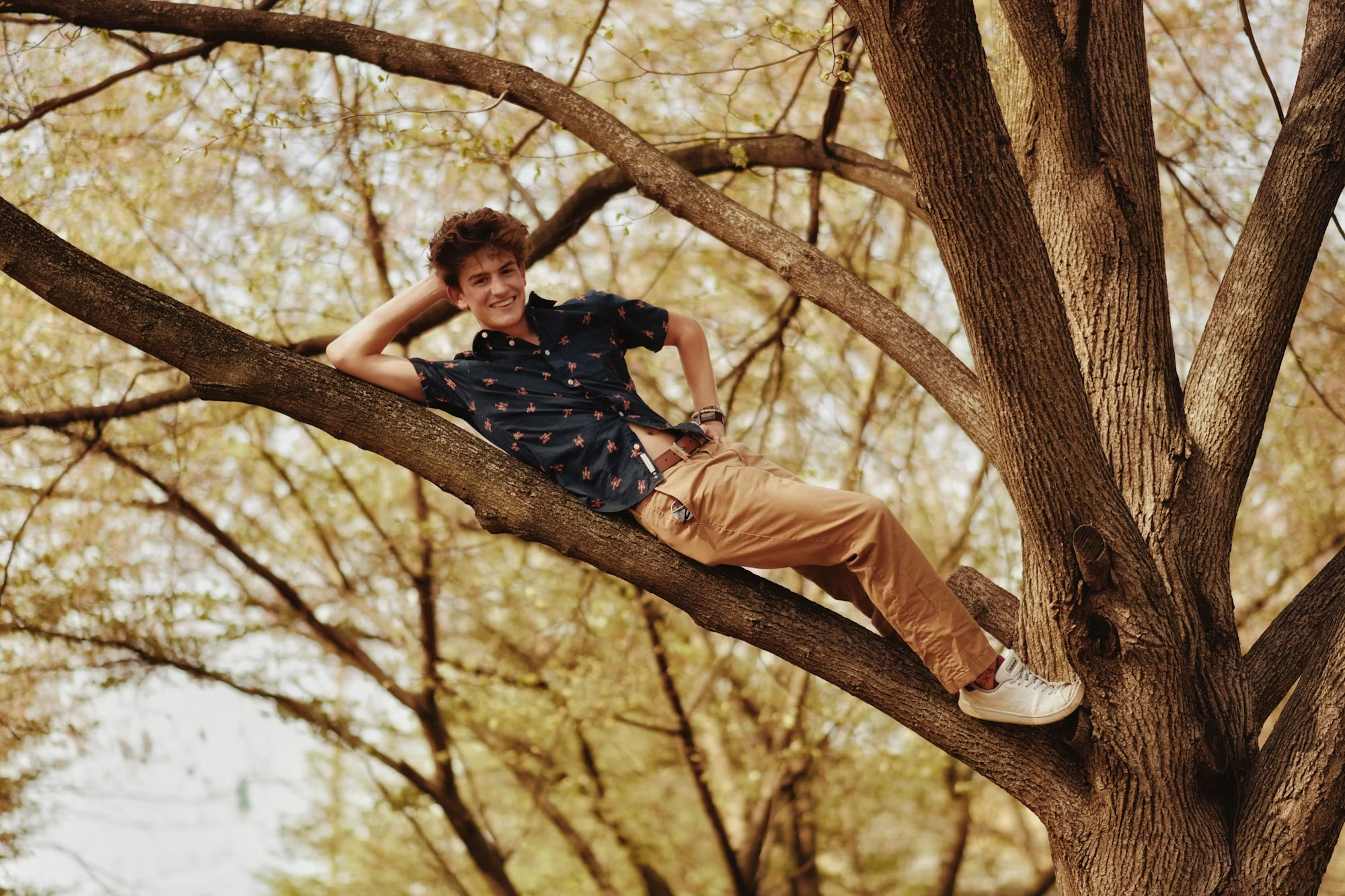
In the warmer months, layering may seem counterintuitive, but it can be achieved with lighter fabrics. Consider a breathable tank top as your base layer, topped with a lightweight, unbuttoned shirt or a short-sleeve shirt. This not only offers sun protection but also creates a relaxed, stylish look. A pair of shorts can complete the ensemble, providing comfort while still looking put together.
Fall
Fall is the perfect time to experiment with layering as the temperatures begin to drop. Start with a fitted t-shirt or long-sleeve shirt as your base, and layer with a sweater or a flannel shirt. A stylish jacket, such as a bomber or denim jacket, can serve as the outer layer. Incorporate autumn colors like burnt orange, deep red, or mustard yellow for a seasonal touch.
Winter
Winter layering is all about warmth and comfort. Begin with a thermal or wool base layer to trap heat. Add a cozy sweater or hoodie as the middle layer, and finish with a warm, insulated coat. Accessories like hats, scarves, and gloves are crucial for both style and practicality. Opt for heavier fabrics like wool or down to ensure maximum warmth.
Accessories and Layering
Accessories play a vital role in enhancing layered outfits. They can tie together your look and add a personal touch. Here are some accessories to consider:
– Scarves: Scarves not only provide warmth but also add texture and color to your outfit. Experiment with different tying techniques to create unique looks.
– Hats: Hats can elevate your style while providing additional warmth. Consider beanies, fedoras, or flat caps depending on your outfit and the season.
– Watches: A stylish watch can serve as a functional accessory that adds a touch of sophistication to your layered ensemble.
– Bags: A well-chosen bag can enhance your outfit while providing practicality. Opt for messenger bags, backpacks, or leather totes to complement your style.
Conclusion
Mastering the art of layering is a valuable skill that can enhance any man’s wardrobe. By understanding the essential layers, following key principles, and adapting techniques for different seasons, you can create stylish, versatile outfits that express your unique personality. Remember to pay attention to fit, color, and texture, and don’t shy away from experimenting with new combinations. With practice, layering will become second nature, allowing you to navigate the world of fashion with confidence and flair.